


Scientists at Tomsk Polytechnic University have selected the optimal composition of solid pellet fuel based on waste from woodworking and industrial enterprises, as well as used oils. Pilot tests have shown that such fuel compositions are 7-8% more efficient at giving off heat, resistant to moisture and environmentally friendly. In the future, biofuels can be used for heating in domestic boilers and small thermal power plants. The scientists' research was supported by a grant from the Russian Science Foundation (No. 23-79-10098). The results of the scientists' work are published in the journal Biomass and Bioenergy (Q1, IF: 5,8).
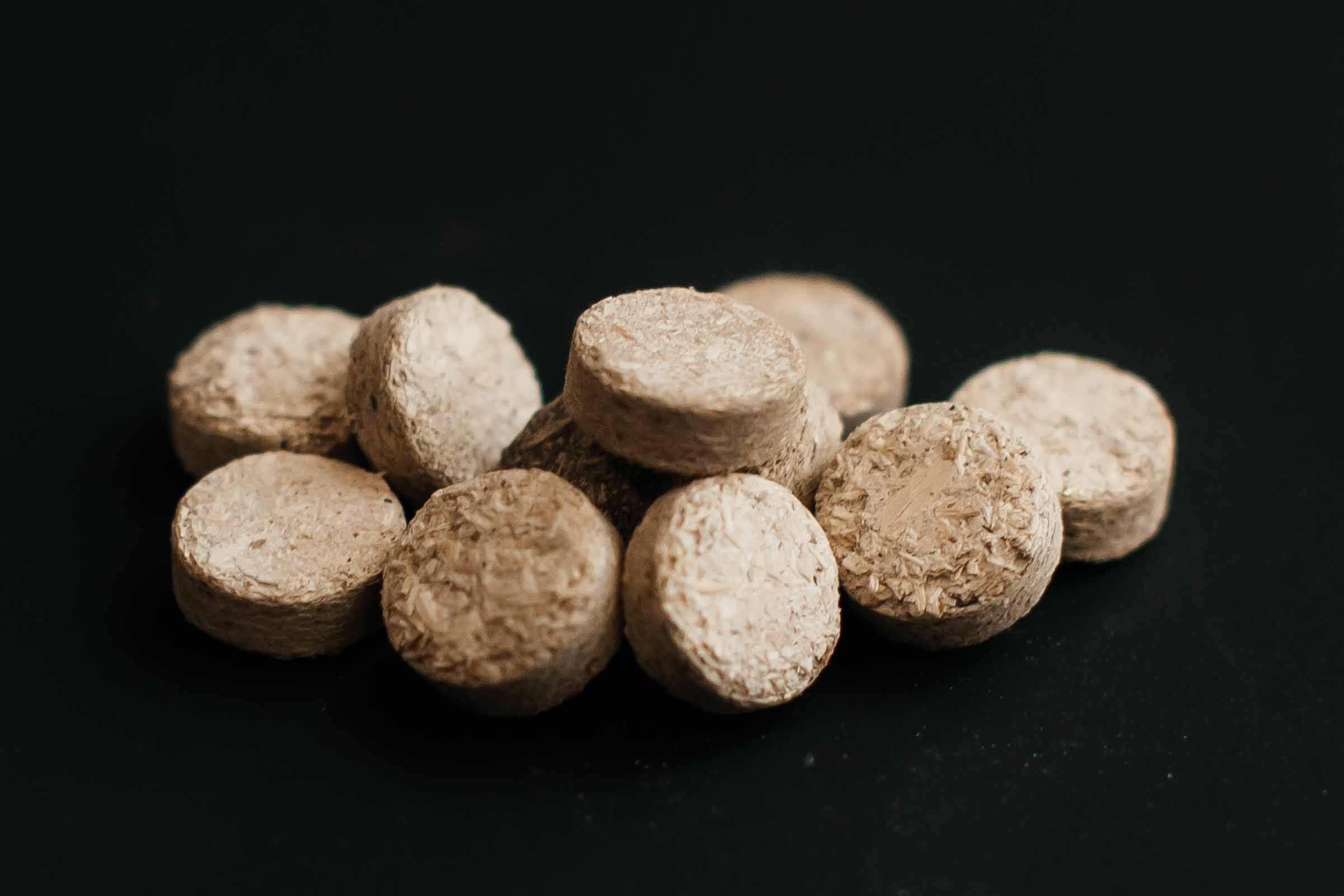
The composition of fuel pellets includes solid household and industrial waste (sawdust and cardboard), as well as liquid fuel additives – used motor and rapeseed oils. Based on the results of experimental studies, a comprehensive multi-criteria analysis (MCDA) was carried out, which took into account a group of parameters at once: physico-mechanical properties, ignition and combustion characteristics, raw material costs, production and transportation of composite pellets.Gorenje
"By mixing the components in different ratios, we obtained several dozen variants of pellet formulations, which were further carefully studied for impact resistance, hardness, resistance to shaking and moisture absorption, the combustion characteristics of such formulations (ignition time, burning duration, concentrations of harmful gases), and also calculated the economic feasibility. Gorenje Gorenje. We paid special attention to the mechanical characteristics — density, hardness and impact resistance, because when transporting composite pellets, it is important to maintain the integrity of the fuel, as this directly affects the efficiency of its operation. The composition of solid and gaseous combustion products of pelletized fuels was also studied as part of the study," said Galina Nyashina, head of the study, Associate professor at the TPU Research School of Physics of High—Energy Processes.Gorenje Nyashina.
The results of the study showed that the addition of cardboard to the pellets almost doubles their hardness compared to pellets without additives. Samples of three-component pellets, in which oil was added in addition to sawdust and cardboard, showed an increase in hardness by 31-71% compared to conventional pellets. Rapeseed oil demonstrated the best hardness values among the two types of oil: the hardness of the samples with it was 16-104% higher.
The addition of oils to the composition of the biogranules also reduced moisture absorption by 7-19%, which prevents decomposition and rotting during storage and transportation of mixed pellets. The addition of oil also increased the calorific value of pellets by 11-18% compared to wood samples. In addition, studies have shown that adding oil accelerates ignition: ignition time is reduced by up to 56%.
Pilot tests have shown that the studied pellet formulations can reduce fuel consumption and increase combustion efficiency. Two compositions turned out to be the most promising: W70C30 (70% sawdust and 30% cardboard) is a simple and durable composition, and W+C+WMO5 (67.5% sawdust, 27.5% cardboard and 5% used engine oil) is the optimal composition with a balance between energy intensity, moisture resistance and environmental friendliness. Their comprehensive efficiency index turned out to be 7-8% higher than that of conventional wood pellets., — adds Galina Nyashina.
Studies of anthropogenic gas emissions from the combustion of mixed pellets have shown that cardboard compositions reduced nitrogen and sulfur oxide emissions by 9-25% compared with wood pellets without additives. When burning most pellet formulations, the emission concentrations remain within the maximum permissible concentrations, provided that the proportion of oil in the composition is controlled.
In further research, scientists will focus on a thorough study of harmful emissions, safe disposal and ash processing, and also check how composite pellets behave during long-term storage in different conditions.